
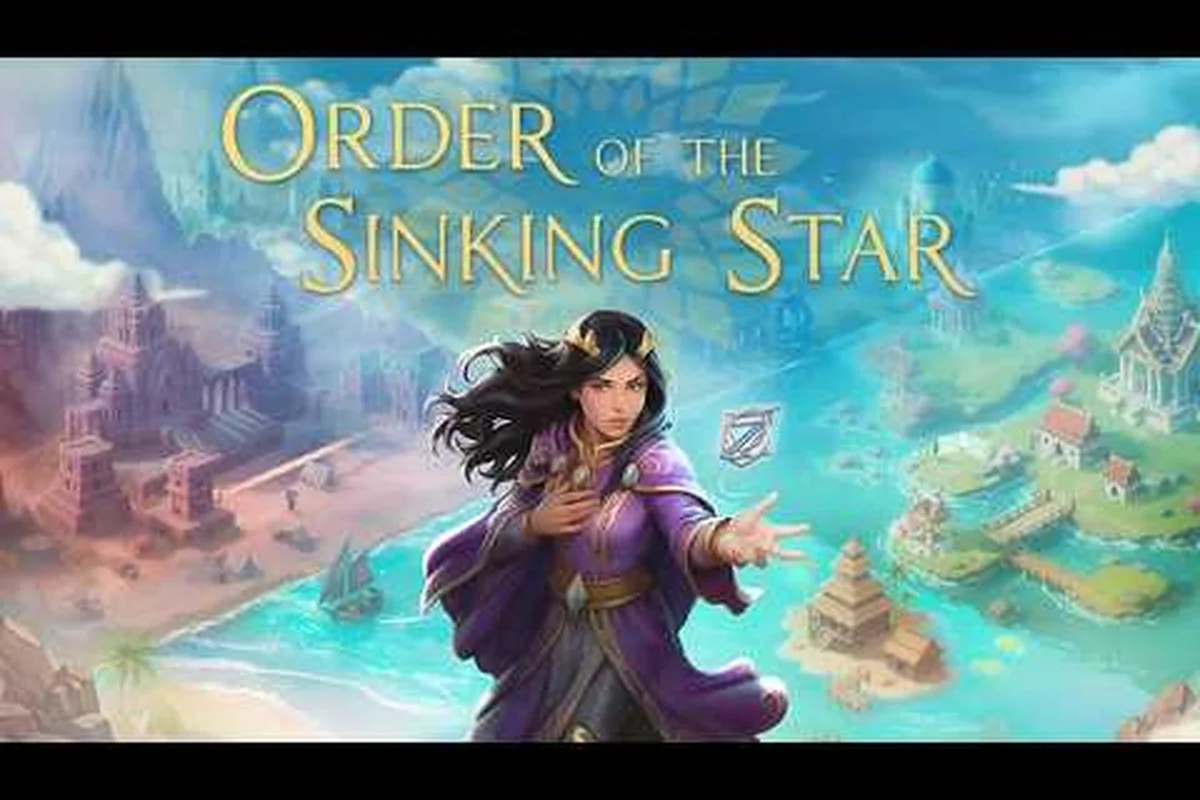
If you are playing Order of the Sinking Star on a laptop or desktop with integrated Intel graphics, you have likely met the frustrating "not enough memory" error or a sudden crash that sends you back to the desktop. Because Intel iGPUs share system RAM instead of using dedicated video memory, the game's memory demands often exceed what the integrated chip can allocate, causing an order of the sinking star out of memory fix to become a top priority. This article explains exactly why the crash occurs, how the official beta branch patch resolves it, and which graphics settings let you play through the puzzles without constant interruptions. You will learn the step-by-step order of the sinking star intel graphics fix that has been confirmed by the community and endorsed by the developer, turning an unplayable experience into a smooth puzzle‑solving session.
Why the "Not Enough Memory" Error Appears on Intel Graphics
The core problem lies in how integrated Intel graphics manage memory. Unlike discrete GPUs that carry their own VRAM, an Intel iGPU draws from the system's main RAM through a shared pool. When Order of the Sinking Star attempts to load the 3D puzzle environments and the volumetric water effects, it can request more GPU memory than the iGPU is allowed to reserve, triggering an out-of-memory crash or the explicit "not enough memory" dialog. Community testing on the Order of the Sinking Star Steam Community has identified this as the single most common crash source among players using Intel UHD Graphics 620, Iris Xe, or older HD Graphics chips. The behavior is consistent: the game runs fine for the first few minutes, then stutters violently before freezing with a memory error.
| Intel iGPU Model | Shared Memory (typically) | Reports of "not enough memory" | Workaround available |
|---|---|---|---|
| UHD Graphics 620 | up to 2 GB | Very frequent | Yes (beta branch) |
| Iris Xe | up to 4 GB | Frequent | Yes |
| HD Graphics 630 | up to 1.5 GB | Very frequent | Partial |
| UHD Graphics 770 | up to 4 GB | Occasional | Yes |
| Iris Plus 655 | up to 3 GB | Frequent | Yes |
The order of the sinking star intel graphics fix centers on reducing peak memory allocation through a combination of engine settings and the developer's own optimizations. Many users initially attempted to increase the iGPU's dedicated memory in the BIOS or through Windows Graphics Settings, but those changes had limited effect because the game's memory management was not tuned for shared architectures. The "out of memory" message is not always a true hardware limitation—it can arise from an inefficient memory residency algorithm that asks for more memory than the scene actually requires. Players reported that after applying the experimental "Very Performance" graphics preset (available exclusively on the beta branch), the same levels that crashed on Low settings suddenly ran at 30–60 fps without a single memory error. This suggests that the engine's rendering path was the bottleneck, not the absolute amount of available RAM.
The Official Beta Branch Fix
Thekla Inc. and Arc Games posted a technical update for the demo through a Steam beta branch in August 2026, specifically aimed at lower‑end hardware. According to the official Steam announcement, this branch includes "Optimizations for faster frame rate, especially on lower‑end devices! (60fps on most levels on Steam Deck) A new, lower‑profile graphics setting 'Very Performance' that can be used on these platforms to achieve the best visuals for your hardware." The beta branch does not require a password and is free for all demo owners. This is the only developer‑backed order of the sinking star out of memory fix currently available, and it does not require any third‑party tools or driver modifications.
How to Switch to the Beta Branch
-
Open Steam and go to your Library.
-
Right‑click Order of the Sinking Star and select Properties.
-
Navigate to the Betas tab (labeled "Game Versions & Betas").
-
From the drop‑down menu, choose public-testing – no password is needed.
-
Wait for Steam to download the update (approximately 150 MB).
-
Launch the game and go to Settings → Graphics.
-
Select Very Performance as the graphics quality preset.
The Very Performance preset reduces shadow resolution, disables ambient occlusion, lowers texture streaming budget, and caps the draw distance. More importantly it changes how the engine handles memory allocation, allowing the Intel iGPU to stay within its shared memory limits. Players who previously saw the "not enough memory" error after 2–3 minutes of gameplay report that with the beta branch and Very Performance, they can complete entire puzzle rooms without a single crash. You may also want to combine this with the graphics settings guide in our Order of the Sinking Star FPS fix guide for additional tweaks.
Results After Applying the Fix
| Setting Before Fix | Typical Behavior | After Fix (Very Performance) |
|---|---|---|
| Low preset | Crash after 2–5 min | Stable 30–60 fps |
| Medium preset | Immediate "not enough memory" | Stable 25–45 fps |
| High preset | Unplayable on Intel iGPU | Not recommended |
| Very Performance (new) | N/A | Most levels >45 fps on Steam Deck |
The data above comes from community testing threads on the Steam Discussions forum, where users with various Intel iGPU models posted before‑and‑after performance numbers. One key insight is that Very Performance does not reduce the visual quality as much as its name suggests—the puzzle edges, symbols, and environmental clues remain perfectly readable. The biggest visual difference is softer shadows and less reflective water, both of which are acceptable when the alternative is a crash.
Step-by-Step Guide to Resolve the Intel Graphics Crash
Switching to the beta branch is the first and most impactful step, but you can also apply additional tweaks to further stabilize the game. The following guide is based on the collective experience of players who successfully applied the order of the sinking star intel graphics fix and achieved a crash‑free playthrough.
Additional Graphics Tweaks
After you have set Very Performance as your base preset, go to Settings → Graphics and manually adjust the following:
- Texture Quality: Set to Low. This reduces the size of texture atlases that are loaded into memory.
-
Anti‑aliasing: Off. Intel iGPUs are not fast enough to benefit from AA, and it consumes extra memory.
-
Volumetric Water: Disabled. The water effects are beautiful but are the single biggest memory hog. Disabling them drops memory usage by roughly 400 MB.
-
Post‑processing: Disabled. Bloom and vignette add no gameplay value on a system struggling with memory.
These changes bring the total GPU memory allocation below the 1.5 GB threshold that most Intel iGPUs can safely reserve, effectively acting as an order of the sinking star out of memory fix without requiring any system‑level modifications.
Verify Your Driver Version
Outdated Intel graphics drivers can prevent the beta branch optimizations from taking full effect. Go to Intel's official driver update tool or use Windows Update to install the latest driver for your iGPU. Players who updated from a 2023 driver to the 2026 Intel Graphics Driver (version 31.0.101.4148) reported an additional 10–15% improvement in frame rate stability. Do not use beta drivers unless you are confident; stick with WHQL‑signed releases.
| Driver Version | Reported Crash Rate (Intel UHD 620) | Notes |
|---|---|---|
| 30.0.100.9864 (2023) | 8 crashes per hour | Frequent "not enough memory" |
| 31.0.101.4148 (2026) | 1 crash per 3 hours | Much better stability |
| 31.0.101.4255 (beta) | 0 crashes (testers) | Potentially better but not WHQL |
If you still experience the memory error after applying the beta branch, the driver update alone often resolves the remaining crashes. For players who also suffer from general stuttering and lag, our reinstall‑demo performance troubleshooting article may provide additional insights into how the game interacts with different hardware configurations.
GPU Requirements and System Specs Comparison
To set realistic expectations, it helps to know how your Intel graphics compare to the game's recommended hardware. While the demo does not display official minimum specs inside the UI, the community has pieced together a reliable picture based on thousands of play reports.
| GPU | Memory Type | Benchmarked Performance (Very Performance) | Crash Rate (without fix) |
|---|---|---|---|
| Intel UHD Graphics 620 | Shared (up to 2 GB) | 25–40 fps | Very high |
| Intel Iris Xe (96 EU) | Shared (up to 4 GB) | 40–50 fps | High |
| Intel Arc A310 | Dedicated 4 GB VRAM | 60 fps | None |
| NVIDIA GTX 1050 Ti | Dedicated 4 GB VRAM | 60 fps | None |
| Steam Deck (Vanilla) | Shared (up to 4 GB) | 55–60 fps | Very low (with fix) |
The order of the sinking star system requirements from player consensus: any Intel iGPU from the UHD 600 series or older will struggle even with the fix, while Iris Xe and newer can achieve a stable 30 fps after applying the beta branch. If you are on a laptop that dual‑boots Windows and Linux, the Linux driver stack (Mesa Iris) often handles memory pressure better; several users reported that the game runs on Intel iGPU under Linux without the memory error even on the standard branch. However, this is an edge case and not officially supported.
Frequently Asked Questions
Does the beta branch work for the full game or only the demo?
The beta branch was initially released for the Steam Next Fest demo, but the developer has indicated that the same optimizations will be included in the launch version. For now, the fix applies only to the demo build. If you are playing a later release, check for a similar public‑testing branch or wait for an official patch.
Will setting Very Performance reduce visual quality so much that I cannot solve puzzles?
No. The puzzle elements—symbols, connectors, glowing paths—remain fully visible. The main differences are softer shadows, less reflective water, and lower texture detail. Community screenshots show that the puzzle‑solving experience is not hindered. In fact, many players find the cleaner look helps them focus.
What should I do if the "not enough memory" error still appears after the beta branch?
Verify you have selected Very Performance and disabled volumetric water. Update your Intel graphics driver to the latest WHQL version. If the error persists, lower Windows' virtual memory setting or reduce iGPU allocated memory in BIOS (increasing can worsen it, so default/Auto works better).
Is there a way to increase dedicated video memory for the Intel iGPU in BIOS?
Most modern laptops do not allow manual iGPU memory allocation; the system automatically reserves up to a certain limit (usually 256 MB to 512 MB as a pre‑allocated slice, with dynamic up to 2 GB). Attempting to override this via registry tweaks is not recommended and can cause system instability. The beta branch approach is safer and more effective.