
Guides
Step-by-step Order of the Sinking Star guides — beginner tips, puzzle strategies and progression help for the four colliding worlds.
Introduction
The guides section is your starting point for Order of the Sinking Star, Jonathan Blow's massive puzzle adventure. Because the game drops you into a non-linear Overworld where more than one thousand hand-crafted puzzles can be attempted in almost any order, knowing what to do first matters more than in a linear game. Our beginner path covers the essentials: how free-form exploration works, how to choose a starting world that matches your taste, and which early habits pay off for the entire run. You will also find practical answers to the questions every new player asks — how long the game is, whether difficulty spikes are normal, how saves and Steam Cloud sync work, and how controller support changes the feel of grid-based movement. When you are ready to go deeper, progression routes explain how to balance story advancement against optional puzzle hunting, so you never feel forced to grind or to skip content you would enjoy.
Beginner Route Quick Reference
| Stage | Focus | What To Do |
|---|---|---|
| First hour | Overworld basics | Walk the hub, try every visible puzzle door, learn that leaving is always allowed |
| Hours 1-5 | Pick a world | Sample each world's opening rooms; the one that clicks becomes your anchor |
| Hours 5-15 | Build momentum | Rotate between worlds when stuck; note puzzle names for later revisits |
| Mid game | Watch for collisions | Expect worlds to intersect; hybrid puzzles reward everything you learned |
Route Milestones
Overworld First Steps
Your opening hours: reading the hub and sampling every door
First World Commitment
Choosing your anchor world and finishing its opening arc
Rotation Rhythm
Multi-world cycling when walls appear
Collision Readiness
Recognizing when merged-world content is within reach
Core Mechanics
Guided play in Order of the Sinking Star revolves around three loops. The exploration loop has you reading the Overworld for locked doors, distant structures and paths that hint at unsolved regions. The mastery loop is per-world: each world introduces one rule set — mirror swapping, class-based pushing, beam routing — and teaches it through dozens of increasingly clever single-mechanic rooms. The combination loop appears once worlds begin colliding, asking you to stack two rule systems in one space. A good guide session respects these loops: learn one world deeply before sampling another, keep a mental map of puzzles you skipped, and treat every dead end as information rather than failure.
Advantages
Following a structured guide path gives you three concrete advantages. First, momentum: the non-linear design means wasted effort is possible, and a route prevents you from banging against endgame-tier puzzles hours before you have the tools for them. Second, confidence with the hint-free design — because there is no in-game hint system, knowing that skipping is safe removes the biggest source of frustration new players report. Third, better demo-to-full-game value: players who understand the carry-over system enter launch day with solved puzzles banked instead of redoing them. Community reviewers consistently say the difference between bouncing off and falling in love with this game was simply having a plan for the first five hours.
Challenges
Even with guides, two friction points remain. The game deliberately withholds hand-holding: no objective marker tells you where to go next, so any route is a suggestion rather than a checklist, and some players chafe at that freedom. Pacing also varies wildly between worlds — the gem zone can absorb a whole evening while an adjacent area takes minutes — which makes fixed-session planning unreliable. Finally, because proper solutions cannot be un-seen, reading ahead converts puzzles you might have enjoyed into exercises; our pages separate nudges from full reveals precisely so you can control how much help you take. Even route knowledge fades between sessions, which is why personal notes matter.
Frequently Asked Questions
What should I do in my first hour?+
Can I lock myself out of progress?+
How do I know I am ready to move on from a world?+
Should I finish the demo before buying?+
Quick Tips
Leave puzzles politely: after three failed attempts, mark the room mentally and walk away without guilt. The Overworld always offers another direction to push forward, and returning with fresh eyes — or with new mechanics absorbed from a different world — dissolves walls that previously felt absolutely permanent. Community veterans describe this as the single habit that separates players who finish from players who stall.
Use the pause menu map constantly while exploring the Overworld hub. The geography encodes progression information: clusters of locked doors mark future collision zones worth remembering, and distant structures hint at regions you have not reached yet. Turning map-checking into a reflex makes planning each play session dramatically faster and keeps unfinished business visible instead of forgotten.
Play with sound enabled during hero encounter rooms whenever possible. Dialogue delivers mechanics hints disguised as jokes more often than you would expect, and several community-documented breakthrough moments trace directly back to a throwaway line from the talking boat that seemed like pure comedy on first listen but encoded a real rule.
Treat the demo's Part 2 heroes — the bard and druid — as interactive tutorials for the full game's collision puzzle design. Their strange abilities look like gimmicks in isolation, but once worlds begin merging in the release build, exactly these kinds of rule-bending powers become the essential vocabulary for hybrid rooms.
Screenshot your Overworld exploration progress occasionally as a personal visual diary. Auto-save protects your actual progress automatically, but a growing album of explored-versus-unexplored regions makes planning future sessions dramatically faster, helps you notice patterns in locked-door placement, and gives satisfying evidence of momentum when a session feels unproductive. The album itself becomes a progress trophy worth flipping through.
Featured
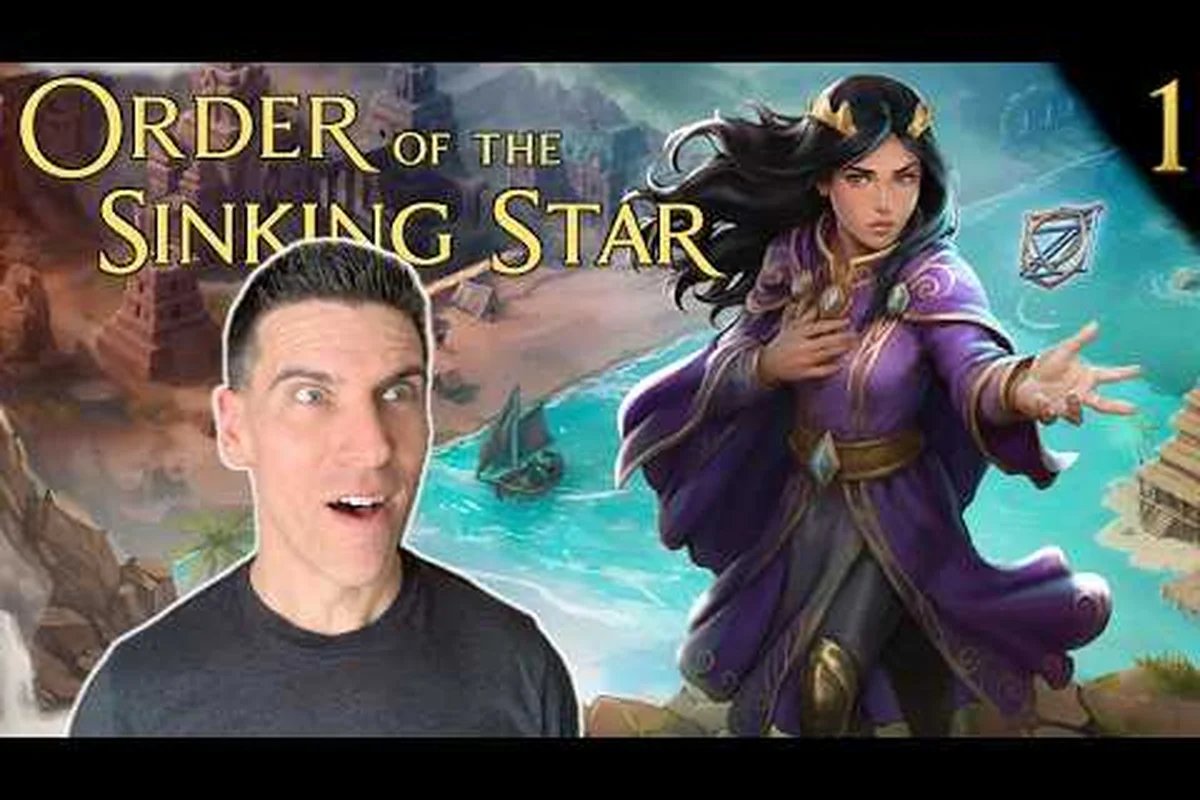
Order of the Sinking Star Beginner Guide: Four Worlds Start
This Order of the Sinking Star beginner guide explains Overworld exploration, hero basics and how your demo progress carries into the full game.
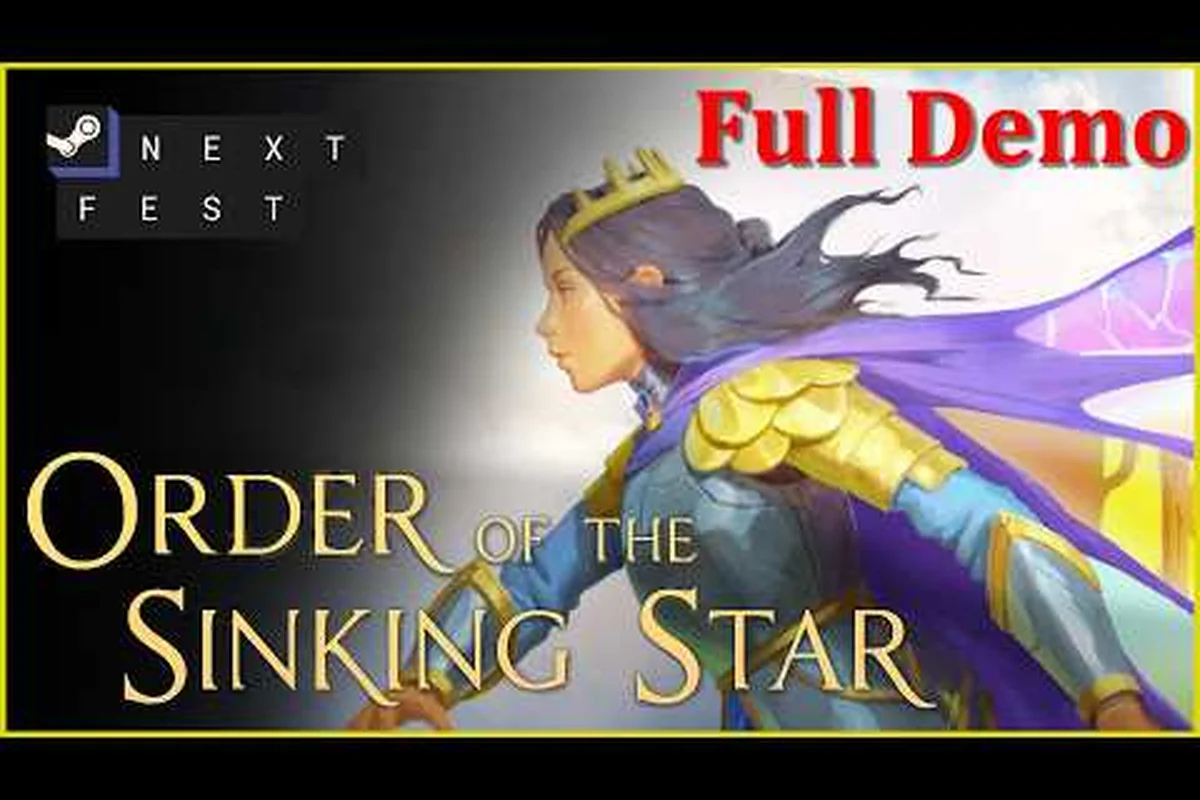
Order of the Sinking Star Guide: Full Walkthrough & Tips
The definitive Order of the Sinking Star guide hub: walkthrough routes, essential tips and wiki resources for all four colliding puzzle worlds.
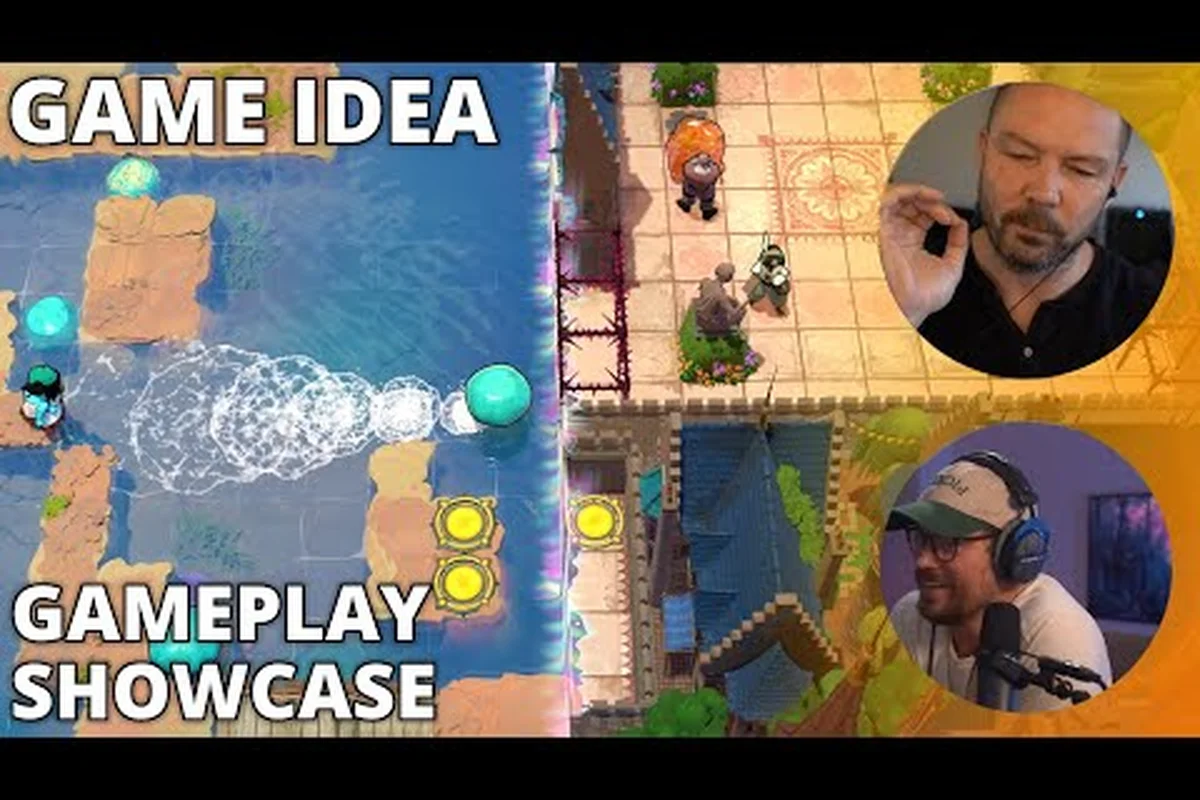
Order of the Sinking Star Basics: Tutorial & Is It Hard?
Master Order of the Sinking Star basics: grid movement, push and pull rules, early tutorial patterns and just how hard the puzzles get later.
All Articles
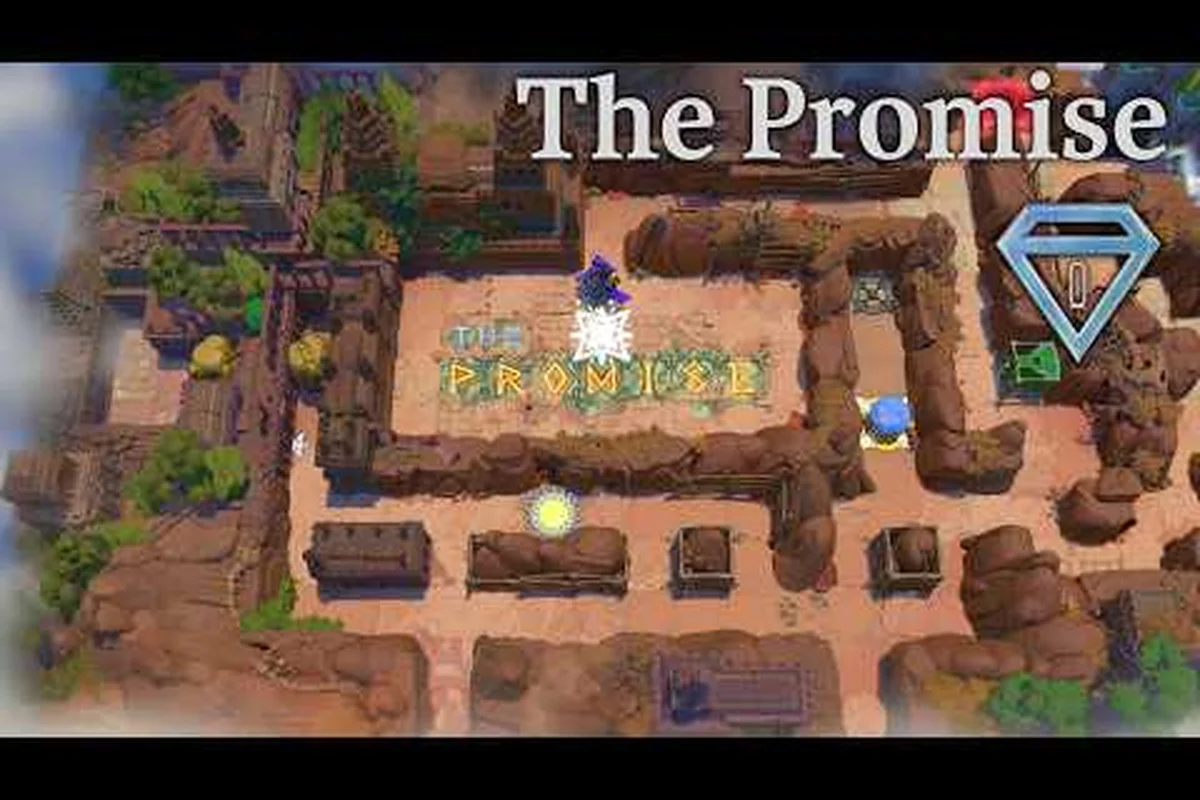
Order of the Sinking Star Early Game Guide: Beat the Demo
Tackle the Order of the Sinking Star early game guide with confidence. See how long the demo lasts, what carries over, and how to prepare for the full release.
Order of the Sinking Star Game Length: Puzzle Count & Hours
How long is Order of the Sinking Star? Learn the game length behind 1000+ puzzles: roughly 250 hours per run and over 500 to solve everything.
Order of the Sinking Star Stuck Help: No Hint System Fixes
Stuck in Order of the Sinking Star? This stuck help guide shows when to skip a puzzle, revisit worlds and use spoiler-free problem-solving habits.
Order of the Sinking Star First Hour: What to Do First
Plan the first hour of Order of the Sinking Star with smart opening moves, early puzzle picks and clear priorities for what to do first today.
Order of the Sinking Star Gameplay Guide: Overworld & Rules
Understand the Order of the Sinking Star gameplay guide for the overworld. Learn how to navigate the map and unlock progression before the October 8th launch.
Order of the Sinking Star Completion Guide: Road to 100%
This Order of the Sinking Star completion guide maps the road to 100 percent: best tips and tricks, common mistakes and every optional puzzle.

Order of the Sinking Star Controller Support & Cloud Saves
Order of the Sinking Star controller support, the save system and cloud saves explained, plus how achievements track on both PC and Steam Deck.